Introduction
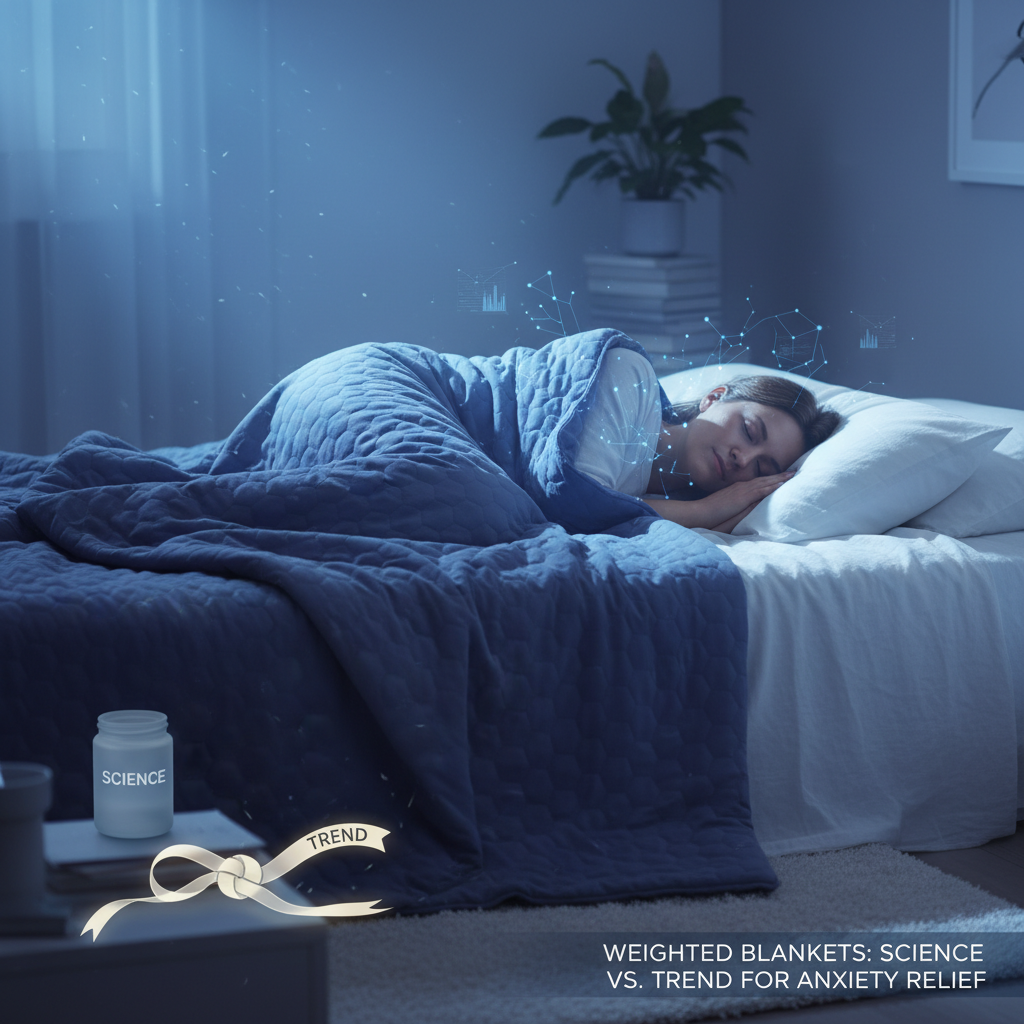
In recent years, weighted blankets have surged in popularity, touted as a solution for anxiety relief and improved sleep quality. Originally developed to provide therapeutic benefits for children with autism and sensory processing disorders, these blankets have now been embraced by adults seeking comfort and stress relief. But as they become a staple in homes across the globe, it raises an important question: are weighted blankets a scientifically-backed intervention or merely a trendy wellness fad?
Understanding Weighted Blankets
Weighted blankets are heavier than standard blankets, typically ranging from 5 to 30 pounds. The weight is primarily achieved through materials like glass beads or plastic pellets sewn into the blanket’s fabric. This added weight provides a deep pressure stimulation effect, which is thought to mimic the sensation of being hugged or held. This tactile experience can trigger the release of neurotransmitters such as serotonin and dopamine while lowering levels of the stress hormone cortisol. In theory, these physiological reactions contribute to feelings of calmness and relaxation.The design of weighted blankets is often informed by specific weight recommendations based on the person’s body weight. A common guideline is to choose a blanket that is about 10% of your body weight plus one additional pound. While many users report feeling more relaxed under these blankets, individual preferences can significantly influence the effectiveness of a weighted blanket.
The Science of Deep Pressure Stimulation
The comforting embrace of weighted blankets is rooted in a concept known as deep pressure stimulation (DPS). DPS refers to the application of steady, firm tactile pressure to the body, which has been shown to have calming effects. This is particularly beneficial for individuals with anxiety, autism, and other sensory disorders.Numerous studies have investigated the effects of deep pressure stimulation on anxiety levels and overall well-being. For example, a study published in the Journal of Clinical Psychology in 2020 found that individuals with anxiety experienced significant reductions in symptoms after using a weighted blanket. The gentle pressure provided by the blanket helps activate the body’s parasympathetic nervous system, promoting a relaxation response. This research supports the idea that weighted blankets may provide a helpful therapeutic tool for anxiety relief, particularly when used as part of a broader treatment plan.
Looking for the best option related to Weighted Blankets Anxiety?
The Sleep Bridge recommends checking the latest deals and reviews before purchasing to ensure better sleep quality.
Evaluating the Benefits of Weighted Blankets for Anxiety Relief
The potential benefits of using weighted blankets for anxiety relief are multifaceted. Beyond the calming effects of deep pressure stimulation, users often report improved sleep quality when using weighted blankets. Since anxiety frequently contributes to sleep disturbances, enhancing sleep quality can further alleviate feelings of stress and anxiety during the day.Another benefit of weighted blankets is their accessibility. They can easily be incorporated into one’s nightly routine without requiring specialized training or equipment. Unlike some therapeutic interventions that may involve ongoing expenses or time commitments, weighted blankets serve as a one-time investment that can be used year-round. Many individuals find comfort in the weight and snugness of the blanket, leading to a self-soothing mechanism that promotes relaxation.
It’s essential to consider, however, that while weighted blankets can be helpful, they might not be suitable for everyone. Individuals with specific medical conditions, such as respiratory issues, cardiovascular diseases, or those with certain disabilities, should consult their healthcare providers before incorporating weighted blankets into their wellness routines.
Alternatives to Weighted Blankets
While weighted blankets have gained popularity, it’s essential to recognize that they are not the only solution for managing anxiety. Various other techniques and tools can be effective in reducing anxiety levels. Mindfulness practices, such as meditation and deep breathing, enable individuals to manage stress in the moment. Cognitive-behavioral therapy (CBT) is another evidence-based approach that helps individuals reframe negative thought patterns, contributing to reduced anxiety.In addition to therapeutic approaches, lifestyle factors such as regular physical activity and a balanced diet play crucial roles in managing anxiety. Exercise can lead to the release of endorphins—natural stress relievers that improve mood. Proper nutrition supports overall well-being, ensuring that the body has the necessary nutrients to function optimally.
When it comes to sleep, establishing a healthy nighttime routine can further support anxiety management. This may include limiting blue light exposure from devices, creating a calm sleep environment, and setting consistent sleep and wake times. Combining these strategies with the use of a weighted blanket may yield even better results for those seeking anxiety relief.
Making an Informed Decision
As with any wellness trend, it is crucial to make informed decisions. While many users of weighted blankets attest to their benefits, and scientific research supports their effectiveness for anxiety relief through deep pressure stimulation, it is essential to consider the individual. What works for one person may not necessarily work for another, and it is vital to evaluate personal needs, preferences, and any underlying health conditions before purchasing a weighted blanket.When deciding on a weighted blanket, consider factors such as fabric type, weight, and size. Opting for a blanket that provides enough coverage without feeling overly restrictive is essential. Additionally, look for high-quality materials that are breathable and suited to your sleeping preferences to maximize comfort.
Conclusion
Weighted blankets have emerged at the intersection of science and wellness trends, offering a promising tool for anxiety relief. The calming effects of deep pressure stimulation have garnered scientific backing, making them a viable option for those seeking comfort. While they can provide significant benefits for many users, it is essential to remain aware of alternative methods for anxiety management and ensure that the choice to use a weighted blanket aligns with individual needs. Ultimately, the journey to reducing anxiety is personal, and weighing all options empowers individuals to make the best decision for their mental well-being.
Frequently Asked Questions
Can weighted blankets help with sleep issues?
+
Yes, weighted blankets may improve sleep quality by providing comfort and reducing anxiety, leading to more restful nights.
How should I choose the right weight for a weighted blanket?
+
A common recommendation is to select a blanket that weighs about 10% of your body weight, plus one additional pound.
What are some alternatives to weighted blankets for managing anxiety?
+
Alternatives include mindfulness practices, cognitive-behavioral therapy, exercise, and establishing healthy sleep routines.