Generic selectors
Exact matches only
Search in title
Search in content
Post Type Selectors
Generic selectors
Exact matches only
Search in title
Search in content
Post Type Selectors

Understanding Sleep Apnea: Early Warning Signs and Treatment Options


Introduction

Sleep is an essential component of our overall health, yet millions of people struggle with sleep disorders that significantly disrupt their nightly rest. Among these, sleep apnea stands out as a condition that not only affects the quality of sleep but can also lead to serious health complications. Understanding the early warning signs of sleep apnea is crucial for early diagnosis and effective treatment. This blog post aims to provide an in-depth exploration of sleep apnea, highlighting its early signs, potential health risks, and available treatment options.

Early Signs of Sleep Apnea

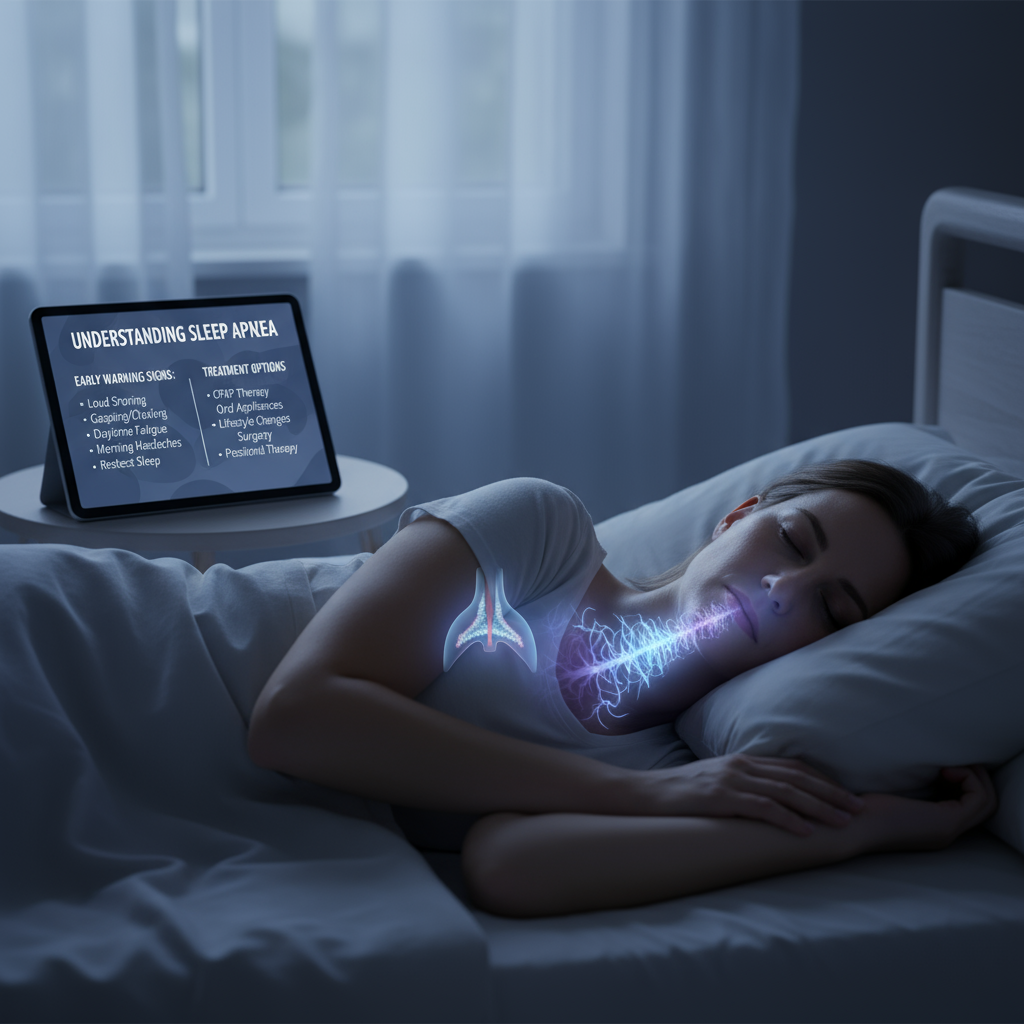
When it comes to identifying sleep apnea, early detection is key. Many people are unaware that they even have this condition because they might not experience symptoms while awake. However, certain early signs should raise a red flag and prompt a visit to a healthcare provider. One of the most common signs is loud snoring, often accompanied by intermittent pauses in breathing during sleep. Partners may notice these alarming episodes, which can happen frequently throughout the night.

Additionally, individuals with sleep apnea might experience excessive daytime sleepiness, as the repeated interruptions in sleep lead to a lack of restorative rest. This can result in difficulties concentrating, mood swings, and a general feeling of fatigue during waking hours. Other early signs include dry mouth upon waking, insomnia, and frequent urination at night. If you or a loved one has been experiencing these symptoms, it’s crucial to seek medical advice to determine whether sleep apnea may be the culprit.

Causes of Sleep Apnea

Understanding the causes of sleep apnea can help individuals take proactive measures to minimize risk factors. The primary risk factors include obesity, which contributes significantly to obstructive sleep apnea. Excess weight can cause extra tissue in the neck area, leading to airway obstruction during sleep. Gender also plays a role; men are more likely to suffer from sleep apnea compared to women, although post-menopausal women have an increased risk. Additionally, age is a significant factor, as the risk for sleep apnea increases with advancing age.

Other contributing factors include anatomical abnormalities such as a thick neck, enlarged tonsils, or a recessed chin, which can obstruct airflow during sleep. Lifestyle factors such as smoking and alcohol consumption can exacerbate the condition; both can relax the muscles of the throat, making it more likely for the airways to become obstructed. Understanding these causes is a crucial part of managing and preventing sleep apnea.

Looking for the best option related to Early Sleep Apnea Signs?

The Sleep Bridge recommends checking the latest deals and reviews before purchasing to ensure better sleep quality.

Health Risks Associated with Sleep Apnea

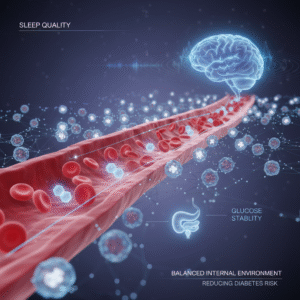
The health implications of untreated sleep apnea can be serious and far-reaching. Chronic sleep deprivation can lead to a host of issues, including cardiovascular problems such as high blood pressure, heart attack, and stroke. Furthermore, the repeated strain on the heart due to oxygen deprivation can lead to serious heart complications over time. Individuals suffering from sleep apnea are also at a higher risk for insulin resistance and type 2 diabetes, as sleep disruption plays a significant role in glucose metabolism.

Moreover, the consequences of sleep apnea extend beyond physical health. The condition has been linked to cognitive impairment, memory problems, and mental health issues like depression and anxiety. In severe cases, it can even contribute to increased motor vehicle accidents and workplace injuries, as those affected may experience difficulty maintaining focus due to excessive daytime sleepiness. Recognizing the potential health risks associated with sleep apnea underscores the importance of early diagnosis and effective management.

Treatment Options for Sleep Apnea

Fortunately, there are various treatment options available for individuals diagnosed with sleep apnea, and the appropriate choice often depends on the severity of the condition. For mild cases, lifestyle changes may be effective. Losing weight, quitting smoking, and avoiding alcohol can significantly reduce the severity of sleep apnea symptoms. Additionally, positional therapy encourages changing sleep positions to prevent airway obstruction.

For moderate to severe cases, Continuous Positive Airway Pressure (CPAP) therapy is often the gold standard. This approach involves wearing a mask connected to a machine that delivers a constant stream of air, keeping the airways open during sleep. While some may find CPAP challenging to adapt to, it is highly effective in alleviating the symptoms of sleep apnea and improving overall sleep quality.

Beyond CPAP, other treatment options include oral appliances that reposition the jaw and tongue to keep the airway open, as well as surgical treatments for anatomical issues contributing to sleep apnea. These surgical options may involve removing excess tissue from the throat or correcting structural abnormalities in the airways. Consulting with a healthcare provider can help individuals determine the best treatment path based on their specific needs.

Conclusion

Sleep apnea is a serious condition that can have profound effects on health and quality of life. Understanding the early signs, causes, and treatment options is vital for anyone who suspects they might be affected. If you or someone you know experiences loud snoring, excessive daytime sleepiness, or other related symptoms, seeking medical advice should be a priority. With timely diagnosis and a tailored treatment approach, managing sleep apnea is not only possible but can lead to a significant improvement in overall well-being.

Frequently Asked Questions

What is sleep apnea?
+

Sleep apnea is a sleep disorder characterized by repeated interruptions in breathing during sleep.

Who is at risk for developing sleep apnea?
+

People who are obese, male, or over 40 years old are at higher risk, along with those with certain anatomical abnormalities.

Can lifestyle changes help manage sleep apnea?
+

Yes, losing weight, quitting smoking, and avoiding alcohol can significantly reduce sleep apnea symptoms.


Previous Posts
Next Posts

Are you enjoying the content? Don’t forget to share!

Hi! I'm Erich, the creator of The Sleep Bridge. I share content about sleep, health, and overall well-being—based on research, personal experience, and everyday insights. I truly believe that a good night’s sleep can transform your life, and I’m here to help you sleep better and live with more energy.

Hi! I'm Erich, the creator of The Sleep Bridge. I share content about sleep, health, and overall well-being—based on research, personal experience, and everyday insights. I truly believe that a good night’s sleep can transform your life, and I’m here to help you sleep better and live with more energy.

© 2025 The Sleep Bridge. All rights reserved.

© 2025 The Sleep Bridge. All rights reserved.