Introduction
Traveling long distances can be exhilarating, offering the chance to explore new cultures, taste exotic foods, and create unforgettable memories. However, long-haul flights often come with one significant drawback: the struggle to get quality sleep while confined to a cramped airplane seat. Many travelers face the uncomfortable reality of fatigue, anxiety, or even jet lag upon arrival at their destinations.
Learning how to sleep comfortably on a flight can drastically improve your travel experience, allowing you to arrive rested and ready to dive into your adventures.
In this blog post, we will explore various travel hacks and strategies to enhance your in-flight sleep experience. From the right preparation before your flight to the ideal use of in-flight items, we’ll cover effective methods to help you snooze even at 30,000 feet.
By implementing these tips, you’ll find that flight time can transform from an exhausting ordeal into a restful encounter in the skies.
Understand Your Body’s Clock
One of the primary challenges of long-haul travel is the disruption to your body’s natural circadian rhythms. Understanding how your body clock works is crucial for adjusting to new time zones and improving your chances of getting quality sleep. When booking your flight, consider the time zone of your destination and try to choose a departure time that aligns with nighttime at your arrival location. For example, if you’re flying from New York to London, a night flight that allows you to sleep through most of the journey can be beneficial.Before you board, think about gradually adjusting your sleep schedule to match your destination’s time. By going to bed an hour earlier or later each night leading up to your trip, you’ll help your body acclimate to the new time zone. Additionally, during your flight, consider setting your watch to the time at your destination as soon as you board. This mental shift can help you more effectively transition your sleep schedule upon arrival.
Choose the Right Seat
The airplane seat you choose can make a significant difference in your in-flight sleep experience. Whenever possible, consider opting for a window seat, as this option allows you to lean against the cabin wall, reducing the strain on your neck. Window seats also provide a sense of personal space away from other passengers walking by. However, if you prefer to have easy access to the aisle for restroom breaks or stretching, consider selecting an aisle seat but try to sit closer to the front of the plane, where noise and foot traffic tend to be less disruptive.Additionally, be strategic about your seat selection when booking your ticket. Use online seat maps to identify options with extra legroom, typically found in exit rows or bulkhead seats. Although these seats may cost a bit more, the benefit of having space to stretch out your legs considerably enhances your ability to sleep comfortably on a flight.
Looking for the best option related to Sleep Comfortable on Flight?
The Sleep Bridge recommends checking the latest deals and reviews before purchasing to ensure better sleep quality.
Invest in Comfort Essentials
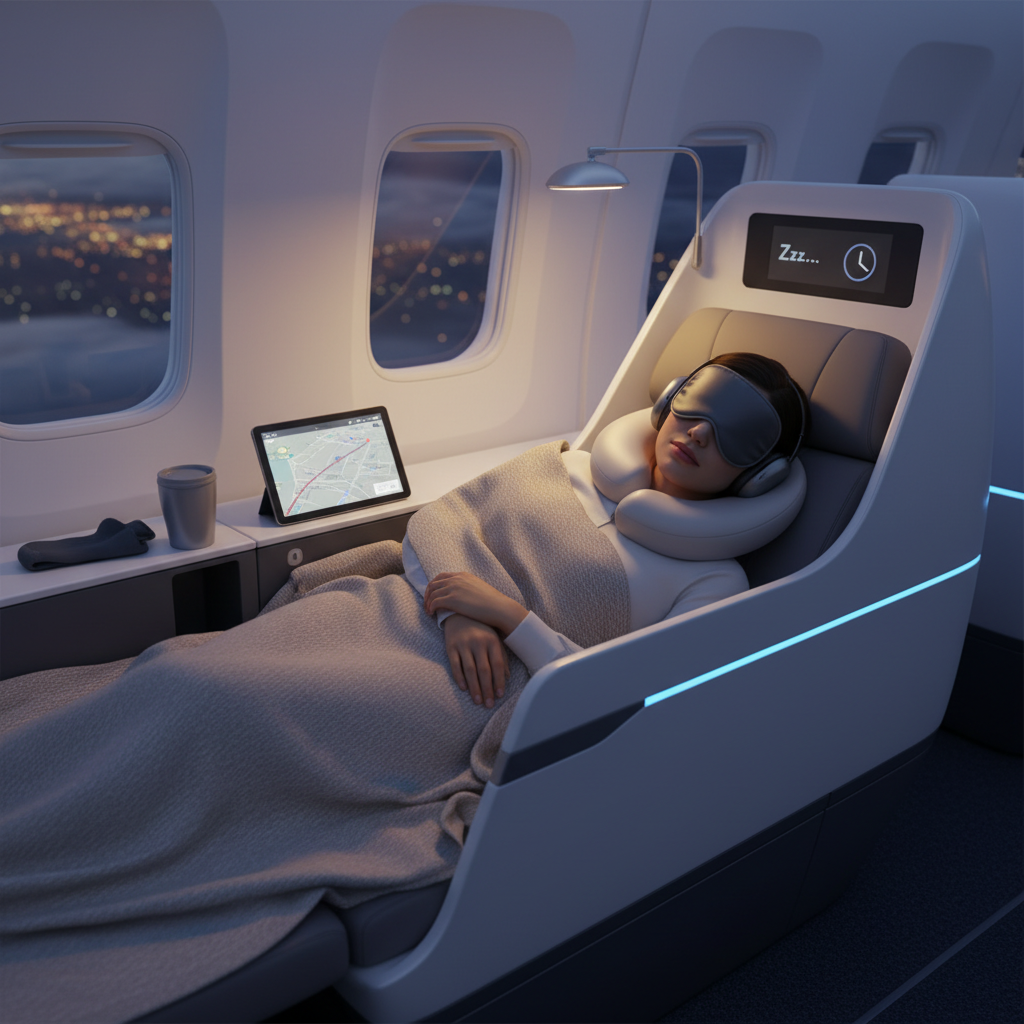
Packing the right travel essentials can significantly improve your in-flight comfort. One of the most important items you should bring is a quality neck pillow tailored to your personal preferences. Look for a pillow that offers adequate support while being easy to pack. Consider investing in a travel blanket or shawl as well. An extra layer can help regulate your body temperature, ensuring you don’t get cold during the flight—a common issue on airplanes.Noise-canceling headphones or earplugs are also crucial for enhancing your sleep. By reducing ambient noise levels, these items help create a serene environment perfect for rest. Curate a travel playlist or download soothing sounds and calming music on your device to assist in drowning out the noise and lulling you to sleep. Last but not least, an eye mask can block out light from cabin illumination, ensuring a darker environment conducive to sleep.
Hydrate and Choose the Right Foods
Airplane cabins are notoriously dry, which can affect your comfort levels during a long flight. To combat this dryness, it is essential to stay hydrated before and during your flight. Opt for water over caffeinated drinks or alcohol, as these beverages can further dehydrate you and disrupt your sleep cycle. Aim to drink plenty of water before boarding and continue to hydrate throughout your flight. If you feel parched, don’t hesitate to ask the flight attendants for additional beverages.Additionally, be mindful of your meal choices. Heavy, rich foods can cause indigestion and discomfort, making it more challenging to relax and sleep. Instead, opt for lighter meal options if available. If the airline provides meals that don’t suit your preference, consider packing healthy snacks such as nuts, granola bars, or fruit to keep your energy levels stable without burdening your digestive system.
Establish a Sleep Routine on Board
Creating a sleep routine during your flight can significantly impact how well you rest. As soon as you board, establish a sequence of activities that signal to your body that it’s time to sleep. Start by reclining your seat and putting on your eye mask and headphones. Doing this can cue your brain that the in-flight environment is now geared toward rest.If you have access to it, use your personal device to meditate or practice deep breathing exercises. There are numerous free apps available that provide guided meditation sessions specifically designed for relaxation. Additionally, engage in gentle stretches or yoga poses to relieve tension in your muscles. Stretching helps mitigate stiffness that may arise during long periods of sitting and can make it easier to doze off.
Consider timing your sleep to align with the best sleeping conditions on the flight. For instance, if your flight is long enough, you may choose to sleep for several hours after the meal service and wake up a few hours before landing. This way, you can adjust your sleep patterns to leave you feeling more relaxed and ready for arrival.
Conclusion
Traveling long distances doesn’t have to be a burdensome process that leaves you feeling worn out. By understanding your body’s clock, selecting the best seats, packing comfort essentials, hydrating, and establishing a sleep routine, you can significantly improve your ability to sleep comfortably on a flight. With these travel hacks in your arsenal, you’ll be equipped to face transcontinental distances with ease, landing refreshed and ready to embrace every moment of your journey.
Frequently Asked Questions
What items should I pack for a comfortable flight?
+
Pack a neck pillow, eye mask, earplugs, and a travel blanket to enhance your comfort during the flight.
Is it better to sleep right after the meal service?
+
Yes, sleeping after the meal service allows you to benefit from a quieter cabin environment and prepares you for landing.
Can I use relaxation apps during the flight?
+
Absolutely! Using meditation or relaxation apps can help you unwind and fall asleep more easily during your journey.
travel hacks for sleep on plane, sleeping comfortably long haul, best flight sleep accessories, beating jet lag travel tips