Learn how insurance covers CPAP machines for sleep apnea. Understand Medicare rules, private insurance requirements, and how adherence impacts your coverage.
CPAP Machine Insurance Coverage: What You Need to Know
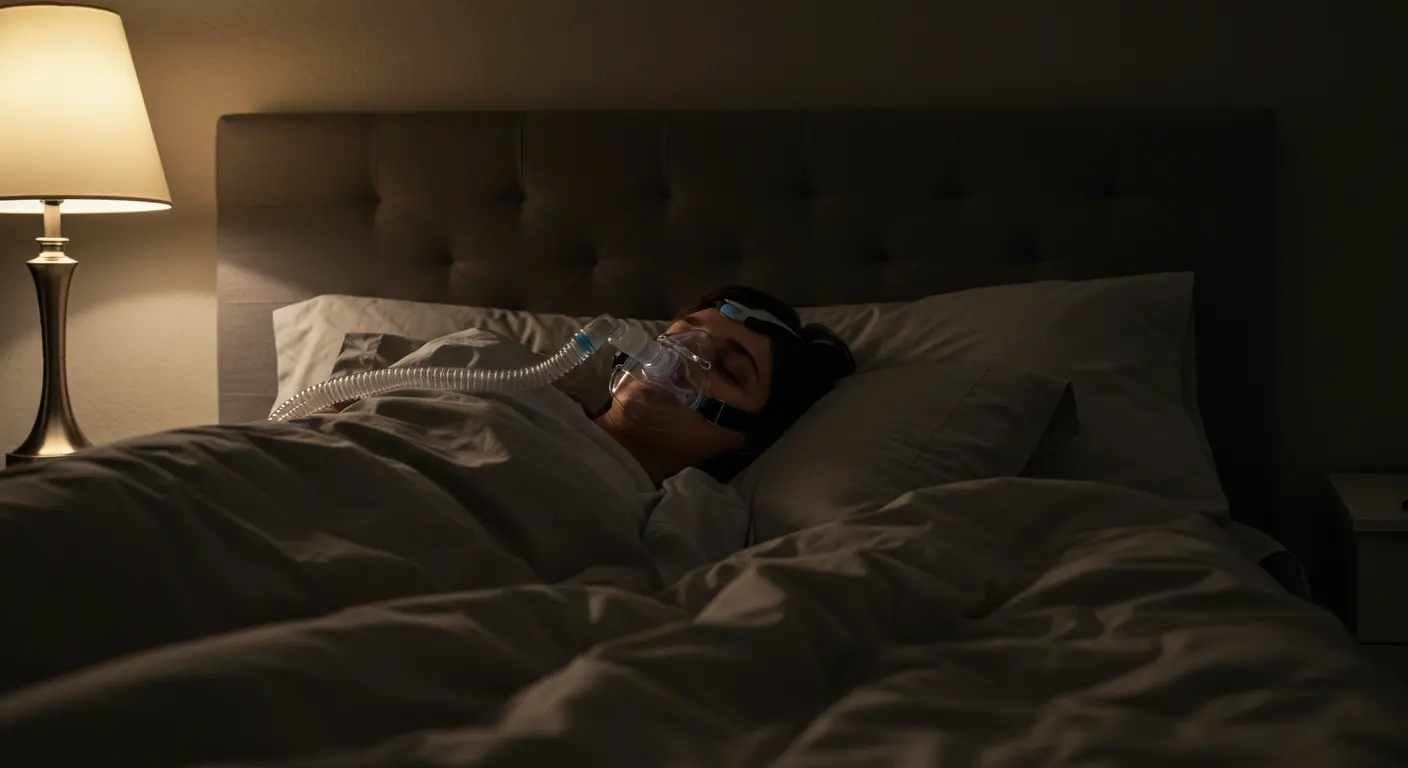
A CPAP (Continuous Positive Airway Pressure) machine delivers constant, pressurized air to your airways while you sleep. It’s the gold standard treatment for sleep apnea, helping reduce snoring, improve breathing, and boost energy levels during the day.
Sleep apnea is not just annoying — it’s a serious medical condition. If left untreated, it can increase your risk of heart disease, high blood pressure, stroke, and even depression. That’s why many insurance plans include medical equipment benefits to cover the cost of CPAP devices and supplies.
Insurance Coverage Basics for CPAP Machines
Most private health insurance plans, Medicare, and some Medicaid programs do offer some level of coverage for CPAP therapy. However, coverage can vary based on:
- Your insurance provider
- Your specific policy plan
- Whether you meet medical necessity requirements
- Whether you follow usage and adherence guidelines
Generally, insurance will cover:
- The CPAP machine itself (often on a rental-to-own basis)
- Replacement masks and cushions
- Air filters and tubing
- Humidifier units (when prescribed)
- Replacement parts at regular intervals
That said, most insurers require prior authorization and proof of diagnosis through a sleep study (either at-home or in a clinic). They may also ask for detailed medical documentation from your doctor showing that CPAP therapy is clinically necessary.
Medicare Coverage for CPAP
If you’re a Medicare beneficiary, coverage is available through Part B, but it includes several conditions:
- Initial Trial Period: Medicare offers a three-month trial for CPAP therapy if you’re newly diagnosed with obstructive sleep apnea.
- Adherence Requirements: To continue coverage after this trial, you must use the machine at least 4 hours per night on 70% of nights during a 30-day window.
- Documentation: Your doctor must document that the treatment is helping and you’re benefiting from CPAP use.
If you meet these criteria, Medicare will cover 80% of the cost after you’ve met your Part B deductible. The remaining 20% is your responsibility unless you have a supplemental policy (like Medigap) to help cover the rest.
How Private Insurance Handles CPAP Costs
Private insurance coverage can differ dramatically between providers, but most follow similar protocols to Medicare, including:
- Requiring a sleep study diagnosis
- Requesting prior authorization
- Setting adherence requirements
- Requiring usage data from the machine
In many cases, insurance providers prefer to lease the CPAP device for a period (usually 10–13 months). After consistent usage, the device may be considered “paid in full” and become yours.
Some plans also include:
- Limits on how often you can replace supplies (e.g., new masks every 3 months)
- Caps on how much is reimbursed for accessories
- Deductible thresholds before benefits apply
- Copays or coinsurance (typically 10%–30% of the device cost)
If your CPAP device stops working or requires service, insurance may cover repairs within the coverage period but won’t typically pay for accidental damage or cosmetic wear.
What Is CPAP Adherence — and Why Does It Matter?
Adherence means using your CPAP consistently as prescribed. Insurers use machine-generated data to ensure you’re complying with treatment. Most modern CPAP machines come with built-in wireless monitoring, which automatically shares your usage data with your doctor and insurance provider.
Typical insurance adherence standards require:
- At least 4 hours of usage per night
- On at least 70% of nights during any 30-day period
- Failure to meet these requirements can lead to:
- Suspension or termination of CPAP coverage
- Re-possession or discontinuation of your rented device
- Requirement to restart the entire authorization process
That’s why it’s essential to not only use your machine consistently but also ensure it’s functioning properly, and that your doctor is aware of any problems early on
.
What If Insurance Won’t Cover CPAP?
If your insurance denies coverage or you lack health insurance altogether, you still have options:
1. Self-Pay Discounts
Some durable medical equipment (DME) providers offer cash pay discounts on CPAP machines and supplies.
2. Online Retailers
Buying your own machine online may cost $300–$900, depending on brand and features. While not covered, this option gives you more flexibility.
3. Nonprofit and Assistance Programs
Some programs offer subsidized or free CPAP machines for qualifying individuals with low income or no coverage.
4. Used or Refurbished Equipment
Some retailers specialize in lightly used CPAP devices at discounted prices. Be sure to verify quality, warranty, and hygiene standards.
Pro Tips to Maximize Insurance Coverage
- Start with a sleep study: It’s the required first step to confirm a sleep apnea diagnosis.
- Get pre-authorization: Ask your doctor or DME provider to contact your insurance before purchasing or renting equipment.
- Check the formulary: Some insurance plans cover only specific brands or models.
- Review adherence rules: Know how long and how often you need to use the CPAP to maintain coverage.
- Track your progress: Ask for monthly reports and check your machine’s app or provider portal.
Conclusion: Take Control of Your CPAP Coverage
Navigating insurance coverage for your CPAP machine can feel overwhelming, but with the right information and proactive steps, you can minimize stress and cost. Most insurance plans—including Medicare and private insurers—do offer coverage for CPAP machines and accessories.
The key is to:
- Understand your policy
- Meet medical necessity criteria
- Stick to your prescribed usage
By following adherence rules and working closely with your doctor and equipment provider, you can access the life-changing treatment sleep apnea demands — with minimal out-of-pocket surprises.
Frequently Asked Questions
Does health insurance usually cover CPAP machines?
Yes, most insurance plans (including Medicare) cover CPAP devices for sleep apnea. Coverage includes the machine, mask, and accessories — but varies by plan.
What happens if I stop using my CPAP?
If you don’t meet usage requirements (usually 4 hours/night, 70% of the time), your insurance may discontinue coverage. Consistent use is essential for ongoing benefits.
Sources
Mayo Clinic – CPAP: How it works and costs
https://www.mayoclinic.org/tests-procedures/cpap/about/pac-20384684Centers for Medicare & Medicaid Services (CMS) – CPAP Coverage
https://www.cms.gov/medicare-coverage-database/view/article.aspx?articleId=52463American Academy of Sleep Medicine – Insurance and CPAP Equipment
https://aasm.org/resources/factsheets/ppcpap.pdfSleep Foundation – How Insurance Covers CPAP Machines
https://www.sleepfoundation.org/cpap/does-insurance-cover-cpapNational Institutes of Health – CPAP and Adherence Data
https://www.ncbi.nlm.nih.gov/pmc/articles/PMC7762953/Medicare.gov – CPAP Machines & Supplies Coverage
https://www.medicare.gov/coverage/cpap-machines-accessories