Introduction
In our fast-paced modern lives, sleep often takes a backseat to our responsibilities, leaving us exhausted and on edge. However, research continues to reveal that sleep is not just about managing our busy schedules but is also closely intertwined with our overall health, particularly gut health. The gut-brain-sleep connection is a fascinating and emerging field of study that sheds light on how our gut microbiota can significantly influence our sleep quality, duration, and even our mental well-being.
Understanding Gut Health
Gut health refers to the balance of the microorganisms that live in the digestive tract. The gut is home to trillions of bacteria, some of which are beneficial and necessary for digestion, while others can be harmful if they proliferate. A healthy gut microbiome plays a crucial role in several bodily functions, including nutrient absorption, immune response, and even mental health. When this balance is disrupted—a condition known as dysbiosis—individuals may experience gastrointestinal issues, but recent research indicates that the consequences extend beyond the gut to affect sleep quality as well.Studies suggest that an unhealthy gut can lead to increased levels of inflammation and altered cortisol levels, both of which are closely linked to sleep disturbances. For instance, a high level of inflammation can disrupt the body’s circadian rhythm, leading to difficulty falling asleep or staying asleep. Understanding the intricacies of gut function and its impact on sleep can empower individuals to make informed lifestyle choices that promote both gut health and quality sleep.
The Gut-Brain Connection
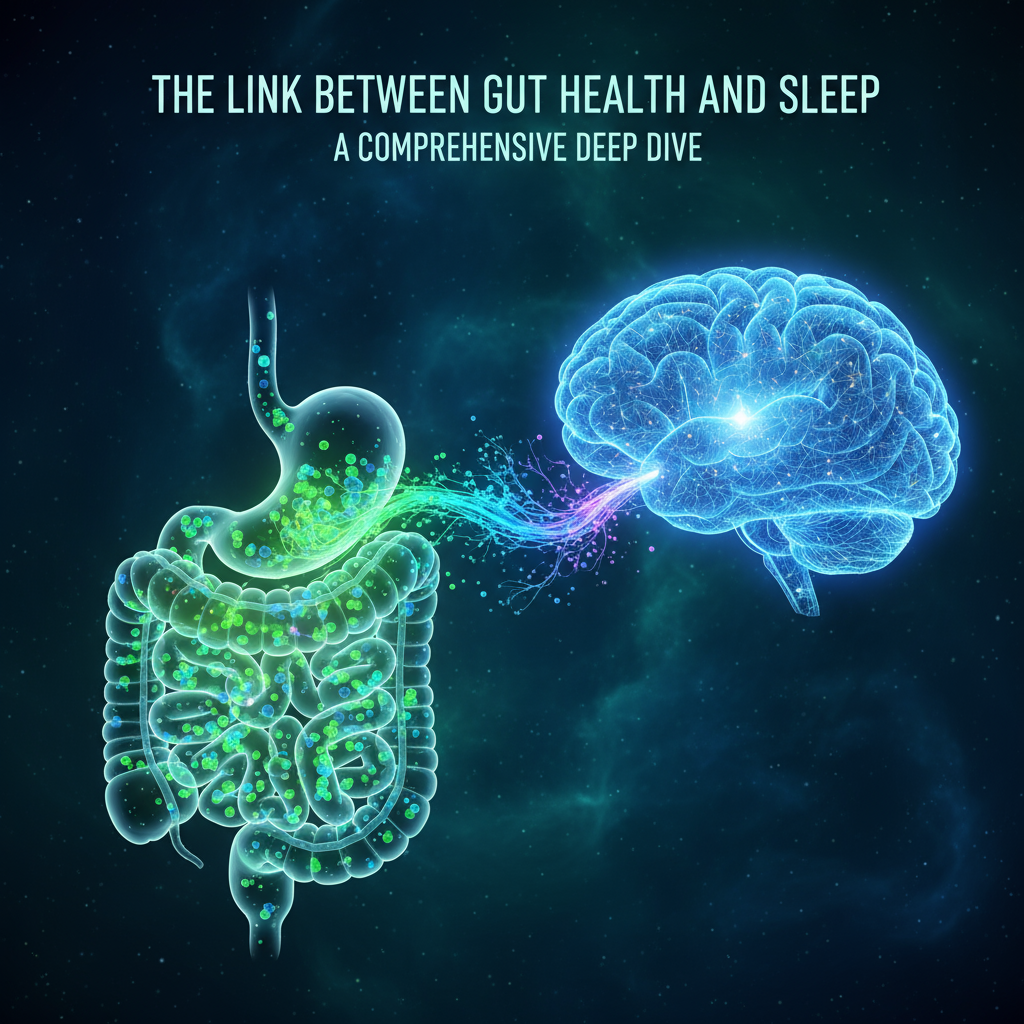
The gut-brain connection is a term that denotes the bidirectional communication between the gastrointestinal tract and the brain. This communication occurs through biochemical signaling, nerve pathways, and even the vagus nerve, which plays a significant role in transmitting signals between the gut and brain. Notably, the gut produces over 90% of the body’s serotonin, a neurotransmitter that regulates mood and contributes to the sleep-wake cycle.When the gut microbiome is out of balance, it can lead to the production of neurotransmitters being disrupted, influencing mood and sleep patterns. Depression and anxiety have been linked to poor gut health, which in turn can exacerbate sleep issues. This vicious cycle can create a challenging scenario where an individual’s mental state negatively impacts their sleep quality, further deteriorating gut health.To improve sleep quality, it’s essential to focus on nurturing the microbiome. Simple dietary changes, such as incorporating probiotics and prebiotics, can enhance gut health and subsequently foster better sleep. Foods like yogurt, fermented vegetables, and fiber-rich fruits and vegetables can contribute to a flourishing microbiome, positively influencing sleep patterns.
Looking for the best option related to Gut Health and Sleep Link?
The Sleep Bridge recommends checking the latest deals and reviews before purchasing to ensure better sleep quality.
Diet and Nutrition
Diet plays a pivotal role in maintaining gut health and, by extension, sleep quality. Certain foods have been shown to promote the growth of beneficial gut bacteria, while others can hinder their development, leading to dysbiosis. For instance, processed foods high in sugar and unhealthy fats can create an unfavorable environment for gut bacteria and increase inflammation. In contrast, a diet rich in whole foods, including fruits, vegetables, whole grains, lean proteins, and healthy fats, promotes a balanced gut microbiome.Furthermore, specific nutrients can directly influence sleep. For instance, magnesium is known to support relaxation and sleep initiation. Foods such as spinach, nuts, and whole grains are excellent sources of magnesium. Moreover, consuming tryptophan-rich foods such as turkey, bananas, and oats can boost serotonin production and help regulate sleep-wake cycles.Hydration is also a crucial element—for both gut health and sleep. The gut relies on adequate hydration for optimal functioning, and dehydration can lead to digestive issues that affect sleep. Aim to drink enough water throughout the day while avoiding excessive caffeine and alcohol, particularly in the hours leading up to bedtime.
To reap the benefits of a healthy gut for improved sleep, consider implementing the following practical strategies:
1. Focus on a diverse diet: Aim for a wide variety of plant-based foods to support microbial diversity. The broader the variety of foods in your diet, the more diverse your gut microbiome will be.2. Incorporate probiotics: Include fermented foods like yogurt, kefir, sauerkraut, and kombucha in your diet to introduce beneficial bacteria to your gut.3. Manage stress: Chronic stress can negatively impact gut health. Employ relaxation techniques such as meditation, deep breathing exercises, and yoga to manage stress levels and support both gut health and sleep.
4. Create a sleep-friendly environment: Ensure your bedroom is conducive to sleep. Maintain a cool, dark, and quiet environment, and establish a calming bedtime routine to signal to your body that it’s time to relax.
5. Exercise regularly: Engaging in regular physical activity can enhance gut health by promoting the growth of beneficial bacteria. Additionally, exercise has been shown to improve sleep quality.
Conclusion
The intricate link between gut health and sleep is an emerging area of research that holds promise for individuals seeking solutions to sleep disturbances. By prioritizing gut health through dietary choices, stress management, and lifestyle adjustments, individuals can unlock improvements not only in their digestive health but also in their overall sleep quality. In today’s world, where sleep is often overlooked, the connection to gut health emphasizes the importance of holistic well-being. By nurturing both our gut and our sleep, we can pave the way for a healthier, more restful life.
Frequently Asked Questions
Can gut health affect mental health?
+
Yes, a balanced gut microbiome can positively influence mood and reduce anxiety, impacting overall mental health.
What role do probiotics play in gut health?
+
Probiotics introduce beneficial bacteria into the gut, helping to restore balance and improve digestive health.
How can I tell if my gut health is affecting my sleep?
+
Signs may include difficulty falling asleep, frequent awakenings, and digestive discomfort that disrupts restful sleep.