Introduction
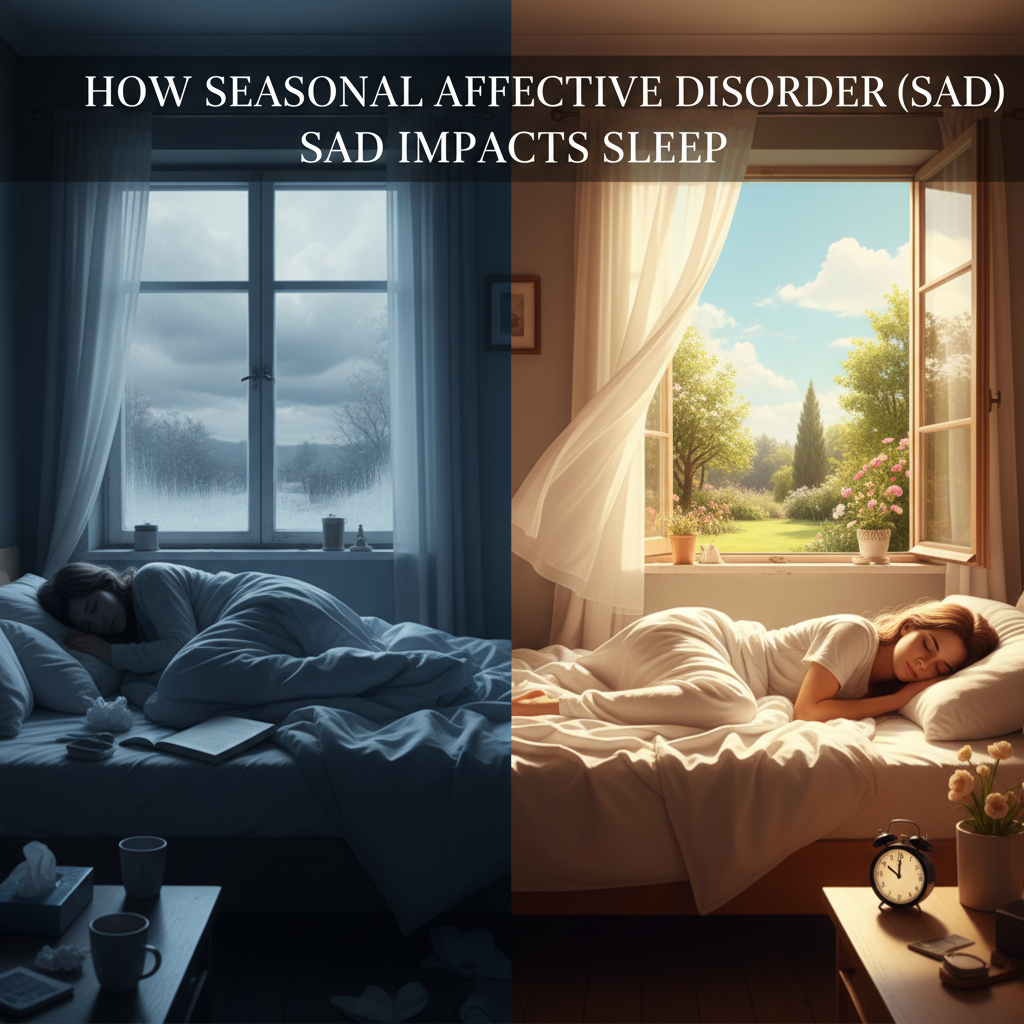
Seasonal Affective Disorder (SAD) is a type of depression that occurs during certain seasons, typically in the fall and winter months when daylight hours are shorter. While many are familiar with the mood-related symptoms of SAD, it’s essential to recognize that this condition can significantly impact sleep patterns and overall sleep quality. Understanding how SAD affects sleep can help individuals develop better coping strategies and seek appropriate treatments.
The connection between mood, light exposure, and sleep is complex and multifaceted. As daylight decreases, many individuals experience alterations in their circadian rhythms, leading to disrupted sleep patterns. Moreover, symptoms of SAD—such as fatigue, irritability, and anxiety—can further exacerbate sleep disturbances.
In this article, we will explore how SAD impacts sleep, the underlying mechanisms, and effective strategies for managing sleep difficulties related to this condition.
Understanding Seasonal Affective Disorder
From a psychological and physiological perspective, SAD is thought to be related to the secretion of melatonin, the hormone responsible for regulating sleep and wake cycles. The reduced amount of natural light during the colder months may lead to an overproduction of melatonin, resulting in increased feelings of lethargy and disrupted sleep patterns.
The Impact of Melatonin on Sleep Patterns
Additionally, the irregular release of melatonin may disrupt the body’s internal clock, or circadian rhythm. This disruption can make it challenging to fall asleep at night, resulting in difficulty awaking in the morning or feeling alert during daytime hours. As a consequence, people with SAD may experience a trend of sleeping excessively during the day while struggling with insomnia at night—an ironic and frustrating outcome for many.
Looking for the best option related to SAD Impacts Sleep?
The Sleep Bridge recommends checking the latest deals and reviews before purchasing to ensure better sleep quality.
Sleep Quality and Depression
Moreover, studies have shown that insomnia is frequently reported among individuals with SAD compared to those without the disorder. Many people find that even when they do sleep longer hours, they may not experience the refreshing sleep needed to combat the effects of depression. As a result, some individuals may turn to napping during the day, which only serves to further disrupt nighttime sleep.
Behavioral and Environmental Factors
Environmental factors, such as the lack of sunlight exposure, can further complicate sleep dynamics. Limited time spent outdoors, particularly in sunny conditions, is common during the winter months. This is why phototherapy, or light therapy, has emerged as a common treatment for SAD. Exposure to artificial bright light may help regulate melatonin levels and bolster overall mood, which in turn may help improve sleep quality.
Coping Strategies for Sleep Disturbances
Additionally, implementing a calming bedtime routine can signal to the body that it is time to wind down. This may include activities such as reading, taking a warm bath, or engaging in relaxation exercises like yoga or meditation.
Incorporating light therapy into daily routines can also serve as a vital tool for mitigating the effects of SAD on sleep. By using a light box for a specified amount of time each day, individuals may experience improvements in mood and sleep quality. Further, prioritizing exposure to natural light during peak hours can help enhance well-being and revitalization.
Conclusion
Seasonal Affective Disorder profoundly affects sleep patterns and quality, largely due to the changes in melatonin levels, mood, and environmental factors. Understanding these connections can empower individuals to adopt effective coping strategies and seek appropriate interventions to improve their overall well-being. As increasing awareness and understanding of SAD continue to evolve, finding personalized solutions that work for each individual is vital for living a healthier, happier life.
Frequently Asked Questions
What triggers Seasonal Affective Disorder in individuals?
+
SAD is primarily triggered by changes in seasons, particularly reduced daylight hours in autumn and winter.
Can exercise help alleviate symptoms of SAD?
+
Yes, regular physical activity can improve mood and enhance sleep quality, helping to combat symptoms of SAD.
Are there any medications for Seasonal Affective Disorder?
+
Yes, some individuals may benefit from antidepressant medications or therapy to manage SAD symptoms.