Introduction
Living in a high-density apartment brings numerous benefits such as proximity to amenities, vibrant communities, and a range of entertainment options. However, one significant drawback many residents face is noise pollution. Whether it’s street traffic, noisy neighbors, or loud public spaces, finding peace and tranquility in your own bedroom can seem near impossible.
Designing a noise-proof bedroom becomes not just a luxury but a necessity for those wanting a serene resting space within their urban oasis.
In this article, we will explore various strategies to create a noise-proof bedroom within your high-density apartment. From selecting the right materials to implementing effective noise-reduction techniques, you’ll find tips that will transform your sleeping area into a peaceful retreat.
We will delve into the importance of sound insulation, strategic room layout, and the use of innovative furnishings to help you enjoy quiet, restful nights.
Designing for Sound Insulation
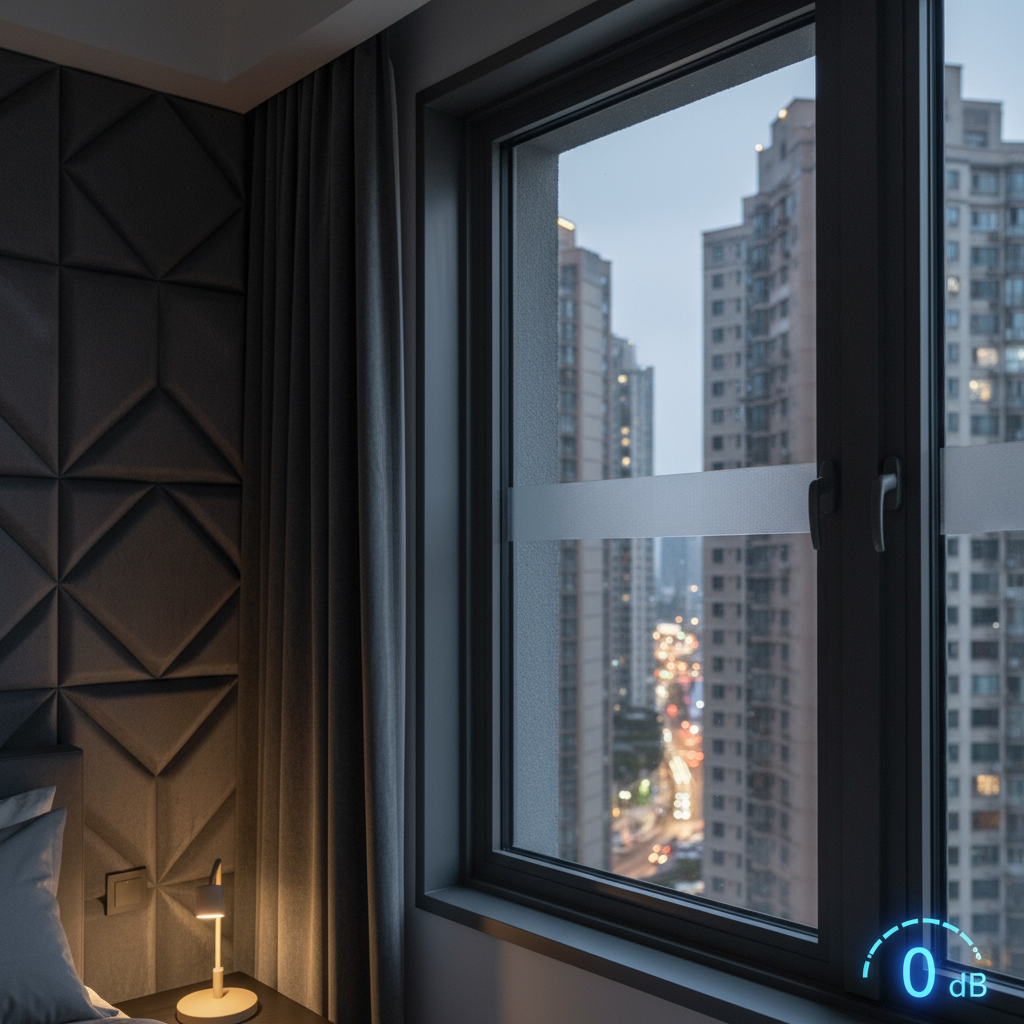
Windows are another major source of noise infiltration. Double or triple-glazed windows can significantly diminish outdoor sounds. If replacing windows is not feasible, consider adding soundproof window inserts or applying heavy blackout curtains that not only block light but also help reduce noise. Additionally, insulating your ceiling with sound-absorbing materials can prevent noise from above from disturbing your peace.
Strategic Room Layout
Furthermore, consider the placement of large furniture items. Bookshelves, wardrobes, or other bulky pieces can act as barriers that absorb sound. You can use these to create a buffer zone around your bed, diminishing the impact of noise that filters through the walls. In addition to furniture placement, adding area rugs or carpets can help further minimize noise by absorbing sound, providing an added layer of comfort and insulation for your space.
Looking for the best option related to Noise-Proof Bedroom Design?
The Sleep Bridge recommends checking the latest deals and reviews before purchasing to ensure better sleep quality.
Choosing the Right Furnishings
Incorporate sound-reducing elements such as acoustic panels or wall hangings made of fabrics that can help to soak up excess sound. Even decorative items such as throw blankets or cushions made from heavier textiles like wool or velvet will contribute to a softer environment, which diminishes the lack of stability in sound waves within the room.
Using Plants for Noise Reduction
By grouping multiple plants together, you can create a living wall that acts as an effective sound buffer. Additionally, the greenery will enhance the overall ambiance of your bedroom, offering a sense of calm and tranquility. Consider incorporating other elements such as planters made of natural materials, which can further contribute to the sound-absorbing effect in your room.
Utilizing Noise-Masking Solutions
Moreover, consider incorporating smart technology like noise-cancelling headphones or smart speakers that can play ambient soundscapes tailored to your preferences. Experimenting with different sound profiles can lead you to find the perfect harmony that best lulls you to sleep.
Conclusion
Creating a noise-proof bedroom in a high-density apartment doesn’t have to be overwhelming. By focusing on key elements like sound insulation, strategic room layout, appropriate furnishings, indoor plants, and noise-masking solutions, you can reclaim peace in your private sanctuary. Each of these strategies offers unique benefits that, when combined effectively, will transform your bedroom into a serene escape away from the chaos of the urban hustle.
Embrace these noise-proofing techniques and enjoy your restful nights in comfort and tranquility.
Frequently Asked Questions
What are some effective ways to soundproof windows?
+
Using double or triple-glazed windows, soundproof inserts, or heavy blackout curtains can significantly reduce noise.
How can I use décor to help with noise reduction?
+
Opt for soft furnishings, acoustic panels, and heavy textiles, which can absorb sound and minimise echo.
Are there specific plants that are better for sound absorption?
+
Yes, broad-leaved plants like Fiddle Leaf Figs or Rubber Trees are better at absorbing sound compared to thin-leaved varieties.