Introduction
As the colder months approach, many individuals find themselves battling seasonal bouts of colds and flus, often seeking remedies ranging from over-the-counter medications to herbal teas. However, one crucial aspect frequently overlooked in the quest for immunity is the importance of sleep. The relationship between sleep and immunity is a vital one, as adequate rest plays a significant role in bolstering our body’s defenses against infections and diseases.
This article aims to delve into the sleep and immunity link, exploring how restful nights can help us fend off seasonal illnesses and maintain overall health.
The Science Behind Sleep and Immunity
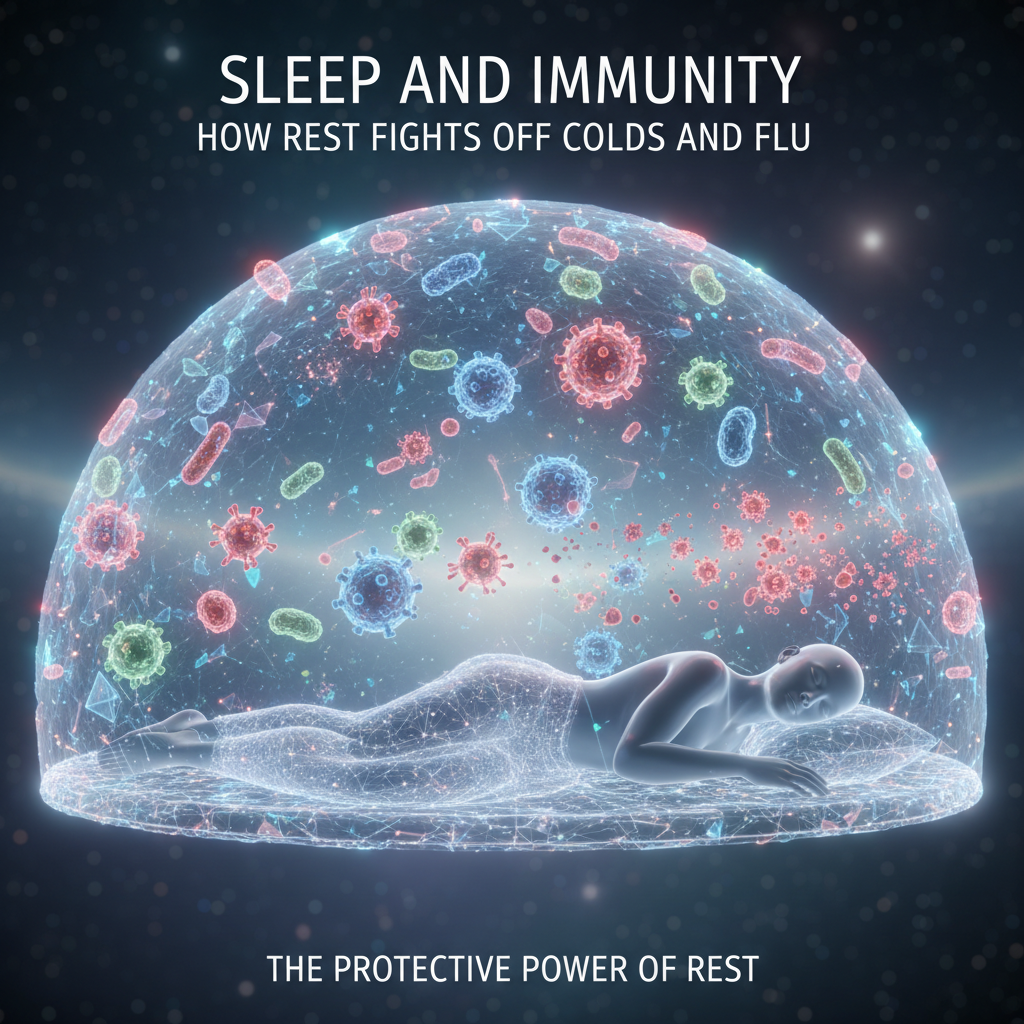
The intricate relationship between sleep and immunity is rooted in several biological processes that occur during slumber. Sleep helps regulate the immune system, primarily by managing the production of cytokines, which are proteins that aid in cell signaling during immune responses. When we are sleep-deprived, the body produces fewer cytokines, which can weaken our ability to fend off infections. Conversely, adequate sleep promotes the production of antibodies and T-cells—two essential components of the immune response that target viruses and bacteria.Several studies have exhibited the effects of sleep deprivation on immune function. For instance, a study published in the journal “Sleep” indicated that individuals who received less than seven hours of sleep had a threefold increased risk of developing a cold when exposed to the rhinovirus, the virus responsible for the common cold. This critical link underscores the importance of prioritizing good sleep hygiene to enhance immune function and resilience against illness.
The Role of Sleep Quality
While the quantity of sleep is essential, the quality of that sleep plays an equally critical role in immune support. High-quality sleep is characterized by uninterrupted cycles of deep sleep, during which the body undergoes crucial repair and recovery processes. Deep sleep, or slow-wave sleep, is particularly restorative and is associated with the release of growth hormone and enhanced immune system function.Unfortunately, many individuals struggle with sleep disorders or disruptions that compromise sleep quality, such as insomnia or sleep apnea. Poor sleep quality can lead to increased inflammation in the body, negatively impacting immune responses and increasing the vulnerability to infections. Establishing a soothing bedtime routine, creating a comfortable sleep environment, and minimizing screen time before bed can help individuals achieve better sleep quality, ultimately enhancing their immune health.
Looking for the best option related to Sleep and Immunity Link?
The Sleep Bridge recommends checking the latest deals and reviews before purchasing to ensure better sleep quality.
Impacts of Stress on Sleep and Immunity
Stress is a common factor that can severely affect both sleep and immune function. When the body perceives stress, it activates the fight-or-flight response, leading to the release of stress hormones like cortisol. Elevated cortisol levels can disrupt sleep patterns, making it challenging to achieve restorative sleep. This creates a vicious cycle: poor sleep lowers immunity, leading to increased illness, and subsequent stress over being sick further disrupts rest.Managing stress through relaxation techniques such as mindfulness, meditation, and deep-breathing exercises can contribute to better sleep and, consequently, improved immunity. Furthermore, engaging in regular physical activity and maintaining social connections can help mitigate stress levels, creating a more favorable environment for sleep and immune health.
Nutrition, Sleep, and Immunity
What we eat significantly influences our immune system, but it’s essential to recognize that the timing of nutrition can also impact sleep quality. Consuming a well-balanced diet rich in vitamins, minerals, and antioxidants can boost immunity, while lackluster dietary habits can lead to inflammation, further compromising sleep. Additionally, heavy meals, caffeine, and alcohol close to bedtime can impede falling asleep and reduce sleep quality.Certain foods are known to promote better sleep and may directly influence immune health. For instance, foods rich in magnesium, such as leafy greens, nuts, and seeds, can improve sleep quality. Meanwhile, foods with high levels of vitamin C, like citrus fruits and bell peppers, can enhance immune function. Understanding the interplay between nutrition, sleep, and immunity can encourage individuals to make informed dietary choices that bolster their overall health and resilience during cold and flu season.
Creating Healthy Sleep Habits
Given the undeniable link between sleep and immunity, it’s crucial to develop healthy sleep habits that prioritize rest and rejuvenation. Here are several strategies to help you optimize your sleep life:1. Establish a Consistent Sleep Schedule: Going to bed and waking up at the same time every day can regulate your body’s internal clock, enhancing sleep quality.
2. Limit Blue Light Exposure: Reduce exposure to screens in the hour leading up to bedtime to minimize disruptions caused by blue light.
3. Create a Relaxing Sleep Environment: Make your bedroom a sanctuary for sleep by keeping it dark, cool, and quiet.
4. Engage in Regular Physical Activity: Incorporating exercise into your daily routine can improve sleep quality, provided you avoid intense workouts right before bed.
5. Consider Natural Sleep Aids: Herbal supplements like chamomile tea or melatonin can promote relaxation and enhance sleep quality when used appropriately.
Combining these practices can pave the way for better sleep hygiene, leading to heightened immune support year-round.
Conclusion
As we navigate the ever-changing landscape of seasonal illnesses, prioritizing sleep is a powerful and often overlooked strategy for enhancing immune function. By understanding the intricate sleep and immunity link, we can take proactive measures to bolster our defenses against common colds and flu. Better sleep quality, improved stress management, and mindful nutrition all contribute to a more resilient immune system.
In the quest for optimal health, never underestimate the power of a restorative night’s sleep.
Frequently Asked Questions
How does sleep affect my immune system?
+
Adequate sleep supports the production of immune cells and proteins, enhancing your body’s ability to fight off infections.
What can I do to improve my sleep quality?
+
Establish a consistent sleep schedule, limit screen time before bed, and create a relaxing sleep environment to enhance sleep quality.
Is it possible to catch more colds if I don’t sleep enough?
+
Yes, lack of sleep can significantly increase your risk of catching colds and flu due to weakened immune responses.
sleep link to immune system, how rest fights colds, deep sleep immune function, sleep for fighting flu