Introduction
As suburban living increases in popularity, so too does the intrusion of artificial light into our natural environments. While this glow may seem convenient for safety and nighttime activities, not many people consider the profound effects that light pollution can have on our health, particularly in regard to melatonin production. Melatonin, often referred to as the “sleep hormone,” plays a critical role in regulating our sleep-wake cycles and overall well-being. Understanding the effects of light pollution on melatonin levels is crucial for optimizing our health in suburban settings.
Understanding Melatonin and Its Role in the Body
Melatonin is a hormone produced by the pineal gland, primarily during hours of darkness. This hormone signals to our bodies that it is time to sleep and helps regulate our circadian rhythms—the internal clock that controls our sleep-wake cycles. Typically, melatonin secretion begins to rise in the evening, peaking during the night, and decreases with the onset of morning light. This natural rhythm is essential for many biological processes, including sleep quality, immune function, and even mood regulation.In suburban areas, exposure to artificial light, especially during evening hours, can interfere with this natural cycle. As artificial lights flicker on, the brain may perceive it as daylight, inhibiting melatonin production. Understanding the importance of melatonin in our health can empower us to take steps toward minimizing light pollution and enhancing our sleep quality.
Looking for the best option related to Light Pollution Melatonin?
The Sleep Bridge recommends checking the latest deals and reviews before purchasing to ensure better sleep quality.
How Light Pollution Disrupts Melatonin Production
Research has shown that exposure to artificial light after sunset can significantly suppress the production of melatonin. This suppression occurs because light, particularly blue light emitted from screens and LED lights, can inhibit the pineal gland’s ability to release melatonin. Suburban areas, with their extensive outdoor lighting for safety and convenience, create an environment where residents are constantly bombarded with artificial light. This can lead to lower melatonin levels, resulting in poor sleep quality, fatigue, and potential long-term health issues.In the context of suburban living, where activities extend well into the evening and outdoor lighting is ubiquitous, the consequences of light pollution are particularly pronounced. Studies have indicated that individuals in brightly lit areas may experience delayed sleep onset, shorter sleep duration, and disrupted sleep cycles. To combat this, understanding the relationship between light exposure and melatonin production is crucial for residents seeking to restore their natural sleep patterns.
The Health Implications of Reduced Melatonin Levels
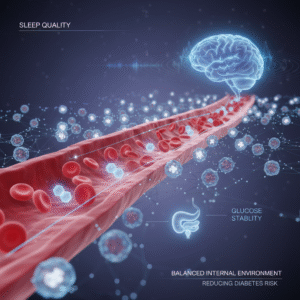
A decline in melatonin production due to light pollution can lead to a myriad of health issues, both in the short and long term. Chronic sleep disturbances linked to reduced melatonin levels can contribute to insomnia, anxiety, and depression. Moreover, insufficient melatonin has been associated with a variety of physical health concerns, including weakened immune function, increased susceptibility to diseases, and metabolic disorders.For those residing in suburban areas, the challenges posed by light pollution can be even more pronounced due to the cumulative effects of poor sleep. Studies suggest that sleep deprivation and disruptions to circadian rhythms can lead to serious health implications such as obesity, diabetes, and cardiovascular diseases. By understanding these health risks, suburban residents can take proactive measures to mitigate the impact of light pollution on melatonin production.
Strategies to Combat Light Pollution in Suburban Living
Given its detrimental effects on melatonin production, residents of suburban areas can implement various strategies to struggle against light pollution. One of the most effective methods is to limit external light exposure during the evening hours. Installing blackout curtains can significantly reduce indoor light from streetlights and other sources. Additionally, using dim, warm lighting in the evenings can help encourage melatonin production as it mimics the calming effects of natural light.Another proactive approach is to utilize devices that filter out blue light, particularly for those who use screens in the evening. Many smartphones and computers now come with settings that reduce blue light emission, allowing users to enjoy their devices without severe repercussions on their melatonin levels. Additionally, residents can advocate for community measures to reduce unnecessary outdoor lighting, such as using motion sensors for streetlights or retrofitting fixtures to minimize light spillage.
Conclusion
Light pollution is a growing concern for residents in suburban areas, with significant implications for melatonin production and overall health. As artificial light continues to dominate our nights, understanding how it affects our sleep hormone is crucial for navigating the challenges it presents. By becoming aware of the impacts of light pollution and taking proactive measures to mitigate its effects, we can advocate for a healthier lifestyle in our suburban communities. Prioritizing melatonin production through mindful lighting practices can lead to better sleep quality, improved health, and a greater appreciation for the beauty of natural night skies.
Frequently Asked Questions
How does light pollution affect sleep quality?
+
Light pollution disrupts melatonin production, leading to poor sleep quality and potential health issues.
Can light pollution lead to long-term health effects?
+
Yes, chronic exposure to light pollution can contribute to conditions like obesity, diabetes, and cardiovascular diseases.
What are some natural ways to improve sleep in a light-polluted area?
+
Using blackout curtains, dimming lights in the evening, and reducing screen time before bed can enhance sleep quality.