Generic selectors
Exact matches only
Search in title
Search in content
Post Type Selectors
Generic selectors
Exact matches only
Search in title
Search in content
Post Type Selectors

The Unexpected Benefits of Sleeping on Your Back


Introduction

When it comes to sleep positions, the majority of us tend to gravitate towards one that feels most comfortable, but how often do we consider which position is the healthiest? Sleeping on your back is one positioning option that has often been overshadowed by the immensely popular side-sleeping method. However, this often-overlooked position comes with a myriad of health benefits that can enhance your overall quality of sleep and well-being.

1. Spinal Alignment and Back Health

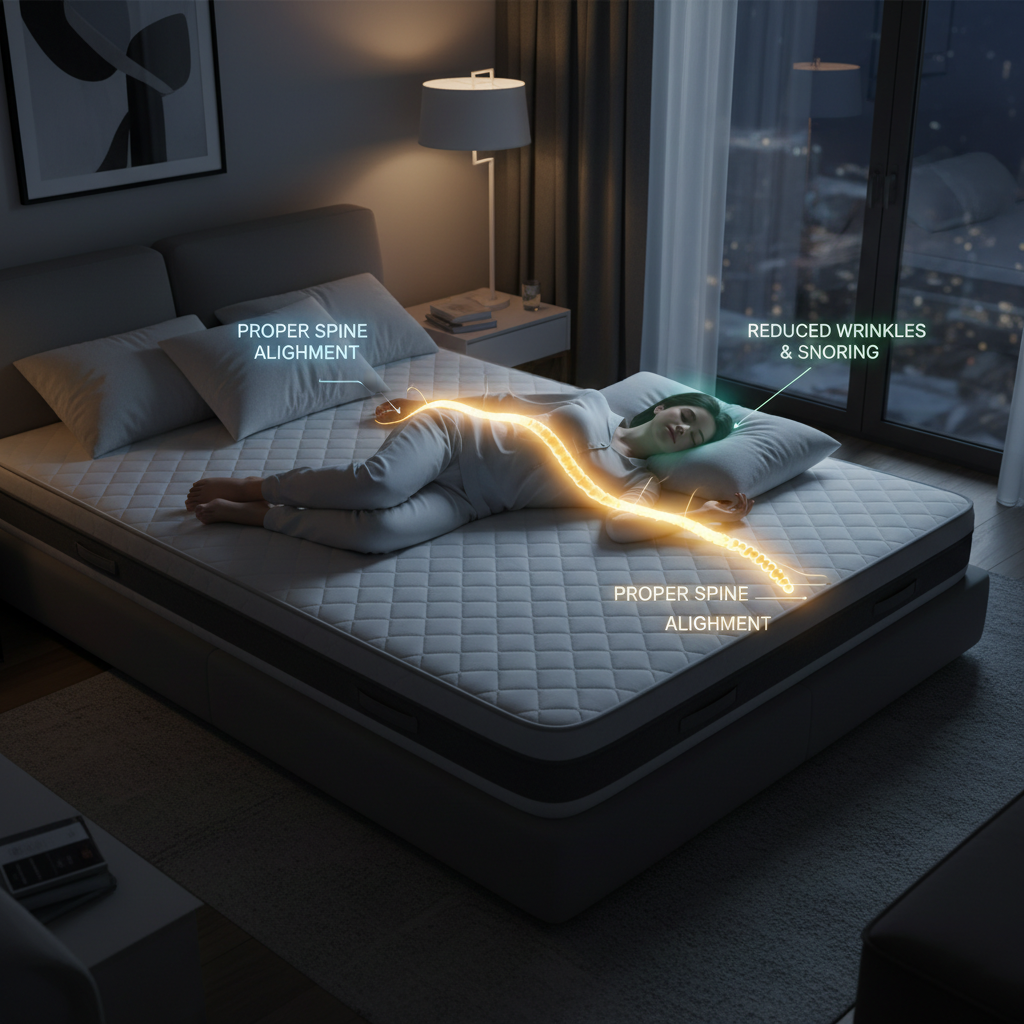
One of the most significant advantages of sleeping on your back is its impact on spinal alignment. This position allows your spine to maintain its natural curvature, which is crucial for good posture. When you lie on your back, your head, neck, and spine are in a straight line, significantly reducing the risk of discomfort and pain. Unlike side sleeping, where there may be pressure on certain points of your body leading to misalignment, back sleeping provides a more even distribution of weight across the body.

Proper spinal alignment is essential not only for avoiding back pain but also for preventing further complications such as sciatica or chronic pain in the joints. When you sleep on your back, you can alleviate undue pressure on the lumbar region, promoting a healthier back. Thus, if you’re someone who often suffers from back issues, transitioning to sleeping on your back may just be the remedy you’ve been looking for.

2. Reducing Snoring and Sleep Apnea Symptoms

For many, snoring can be a nuisance, impacting both the snorer and anyone nearby. Sleeping on your back can actually help lessen snoring because of the way it affects the airway. When you sleep in this position, your tongue is less likely to collapse into your throat, which is a common cause of snoring.

For those who experience sleep apnea, sleeping on your back can be beneficial for reducing the severity of symptoms. With your head elevated and in a neutral spinal position, you may breathe easier throughout the night. However, it is essential to note that for some individuals with moderate to severe sleep apnea, sleeping on the side might be recommended for optimal results. Nevertheless, if you primarily snore or experience mild sleep apnea, back sleeping could help alleviate your discomfort.

Looking for the best option related to Benefits of Sleeping on Back?

The Sleep Bridge recommends checking the latest deals and reviews before purchasing to ensure better sleep quality.

3. Enhanced Digestion and Gastrointestinal Health

Another often-overlooked benefit of sleeping on your back is its positive influence on digestion. When you sleep in this position, your body has a chance to maintain proper organ function without the pressure created by other sleeping positions. This allows your digestive system to operate effectively while you rest, as all of your organs can function properly without interference.

For instance, aspects of digestive health such as heartburn and acid reflux may improve when you adopt this posture, particularly if you slightly elevate your head with a pillow. This elevation can help keep stomach acid from flowing back into the esophagus, reducing the risk of discomfort during the night. If you’ve struggled with digestive issues, sleeping on your back could be worth trying for a more peaceful night’s sleep.

4. Improved Circulation and Reduced Pressure Points

Circulation plays a vital role in maintaining optimal health, and surprisingly, when you sleep on your back, it promotes better blood flow throughout the body. By providing a more even distribution of weight, this position reduces pressure points that can restrict circulation, especially in areas like the hips and legs. When these pressure points are alleviated, the risk of developing conditions such as numbness or tingling sensations decreases significantly.

Furthermore, good circulation is essential for healing and recovery. If you have recently undergone surgery or are dealing with any injuries, elevating your legs while sleeping on your back may facilitate faster recovery. This helpful position encourages blood to flow freely, allowing oxygen and nutrients to reach areas of the body that need extra care. Thus, incorporating back sleeping into your bedtime routine could lead to greater overall health and vitality.

5. Aids in Mental Clarity and Stress Reduction

The state of your sleep can have a considerable impact on your mental well-being, and back sleeping can provide additional advantages in this domain. When your body is relaxed and in an optimal position, it allows for deeper, more restorative sleep cycles. This can lead to better mental clarity and focus during the day as your body takes the necessary time to recharge.

Moreover, stress reduction is another benefit associated with this sleeping position. When your body is aligned correctly and pressure points are alleviated, you are less likely to experience physical stress responses during the night. The reduction in discomfort can lead to a more peaceful night’s sleep, ultimately translating to a more productive day ahead. With improved mental clarity and lower stress levels, sleeping on your back could be a game-changer for your daily life.

Conclusion

Sleeping on your back is an often-overlooked position that can yield numerous health benefits, from enhanced spinal alignment to better mental clarity. By incorporating this posture into your nightly routine, you may experience relief from back pain, reduced snoring, improved digestion, better circulation, and decreased stress levels. If you’re curious about the potential benefits, consider giving back sleeping a try. As you make this adjustment, remember that transitioning to a new sleep position may take time, so be patient with yourself and strive for a comfortable environment to promote restful nights.

Frequently Asked Questions

Can sleeping on your back help with back pain?
+

Yes, sleeping on your back can promote better spinal alignment and reduce back pain.

What is the best way to adjust to back sleeping?
+

Start with extra pillows for support and gradually increase your time in this position to be more comfortable.

Does sleeping on your back reduce snoring?
+

Yes, back sleeping can help reduce snoring by keeping the airway open.

Previous Posts
Next Posts

Are you enjoying the content? Don’t forget to share!

Hi! I'm Erich, the creator of The Sleep Bridge. I share content about sleep, health, and overall well-being—based on research, personal experience, and everyday insights. I truly believe that a good night’s sleep can transform your life, and I’m here to help you sleep better and live with more energy.

Hi! I'm Erich, the creator of The Sleep Bridge. I share content about sleep, health, and overall well-being—based on research, personal experience, and everyday insights. I truly believe that a good night’s sleep can transform your life, and I’m here to help you sleep better and live with more energy.

© 2025 The Sleep Bridge. All rights reserved.

© 2025 The Sleep Bridge. All rights reserved.