Introduction
Getting a good night’s sleep is essential for overall health and well-being. However, many people struggle with sleep issues, often without recognizing the underlying causes. One significant factor that can impede restful slumber is thyroid dysfunction.
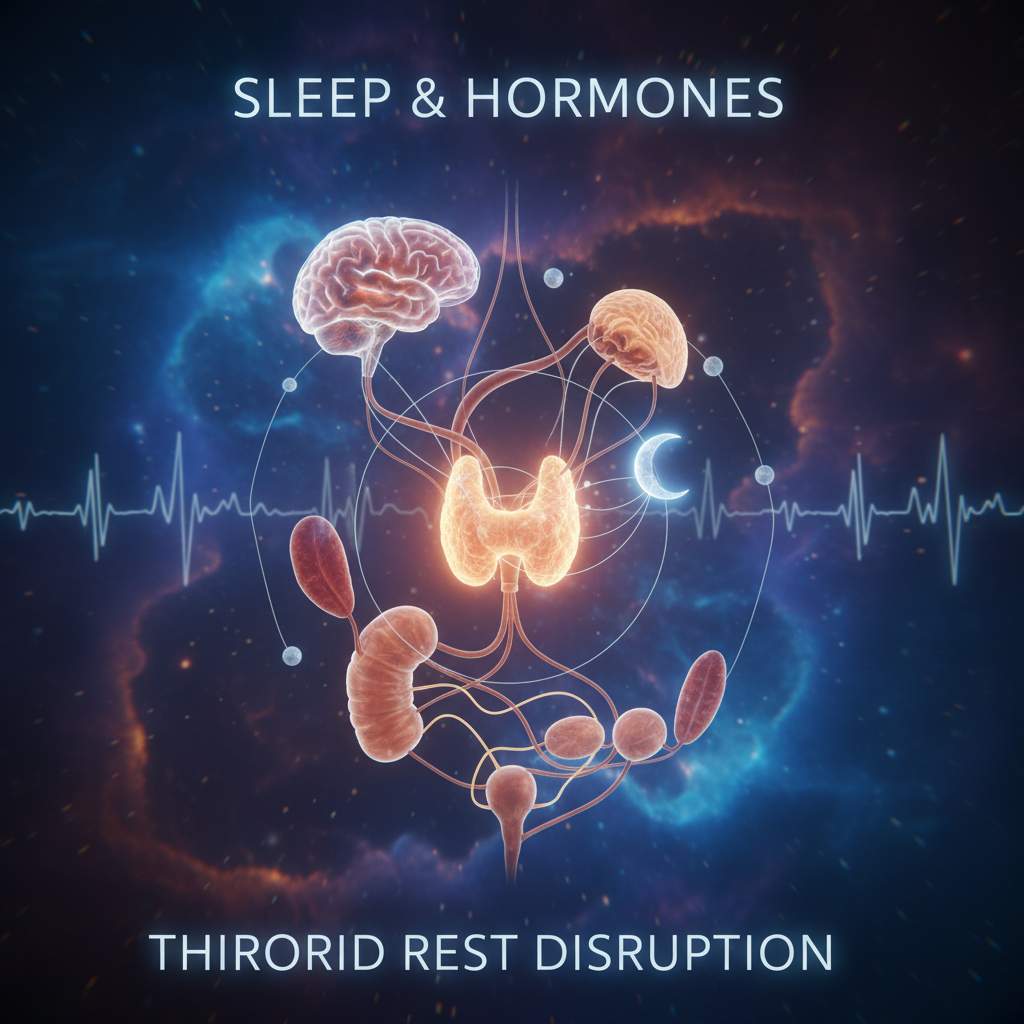
The thyroid gland, known for its critical role in regulating metabolism, energy levels, and mood, can also impact the quality and quantity of sleep. In this article, we will explore the intricate relationship between thyroid issues and sleep, shedding light on how various thyroid disorders can disrupt your sleep patterns and what you can do to manage these effects.
The thyroid gland, located in the neck, produces hormones that influence nearly every cell in your body.
It regulates important bodily functions and is tightly linked to our energy levels and mood, which can, in turn, influence sleep. Individuals suffering from thyroid disorders, such as hypothyroidism or hyperthyroidism, often report disruptions in their sleep patterns. The balance of thyroid hormones plays an essential role in both the initiation of sleep and maintenance of sleep cycles.
Understanding these connections is crucial for anyone dealing with thyroid issues who is also struggling to sleep well.
Understanding Hyperthyroidism and Its Impact on Sleep
People suffering from hyperthyroidism may experience frequent awakenings during the night or may struggle to fall asleep due to feelings of anxiety or restlessness. Night sweats stemming from elevated metabolism might also disrupt sleep, making restful slumber nearly impossible. The heightened energy levels may make it difficult to relax, compounding the sleep difficulties faced by those with hyperthyroidism.
Moreover, anxiety is a common companion of hyperthyroidism, leading to sleep disturbances, vivid nightmares, or even insomnia. The relationship between hyperthyroidism and sleep is complicated by other physical symptoms, such as increased heart rates and feelings of being overheated, further complicating attempts to get a good night’s rest.
The Role of Circadian Rhythms and Thyroid Hormones
For instance, an underactive thyroid may lead to lower levels of cortisol, the hormone that helps regulate wakefulness and energy levels. Conversely, an overactive thyroid is linked to elevated cortisol levels, which can lead to increased anxiety and difficulty falling asleep. This interplay highlights the importance of maintaining balanced thyroid hormones not only for physical health but also for effective sleep regulation.
When thyroid hormone levels are normalized through proper treatment, many people report improvements in sleep quality. This underscores the need for individuals with thyroid issues to seek not only treatment for their physical symptoms but also to address sleep disturbances that may accompany their condition.
Looking for the best option related to Thyroid Issues and Sleep?
The Sleep Bridge recommends checking the latest deals and reviews before purchasing to ensure better sleep quality.
Managing Sleep Issues Related to Thyroid Disorders
First, ensuring you are on the correct dosage of thyroid medication is vital. It may take time to find the right balance that allows your body to function optimally. Regular monitoring of thyroid hormone levels will help in adjusting medications as necessary.
In addition to medication, lifestyle changes can make a significant impact on sleep quality. Establishing a regular sleep routine can help signal your body when it’s time to sleep and wake. Try to unwind before bed by engaging in relaxing activities such as reading or taking a warm bath.
Creating a conducive sleep environment is also essential. This includes keeping your bedroom dark, quiet, and cool, which can help in facilitating restful sleep. Practicing good sleep hygiene also involves limiting screen time before bed and avoiding stimulants like caffeine in the hours leading up to sleep.
Lastly, consider incorporating gentle forms of exercise or relaxation techniques into your daily routine. Practices such as yoga, meditation, or even simple stretching can help reduce anxiety and improve sleep quality, especially for those affected by thyroid issues.
Conclusion
Thyroid issues can play a significant role in contributing to sleep disturbances, whether through hypothyroidism or hyperthyroidism. Understanding the relationship between sleep and thyroid function is crucial for anyone facing these challenges. Seeking effective treatment options while also focusing on lifestyle adjustments can lead to improved sleep quality.
By addressing thyroid conditions holistically—through medication, lifestyle changes, and self-care—you can break the cycle of disrupted sleep and experience greater well-being. Remember, good sleep is essential for maintaining optimal health, especially in the context of thyroid disorders.
Frequently Asked Questions
What are the symptoms of hypothyroidism related to sleep?
+
Symptoms include fatigue, insomnia, and a reduced sleep drive, often leading to difficulty falling asleep or waking frequently at night.
Can lifestyle changes help with sleep issues caused by thyroid problems?
+
Yes, establishing a sleep routine, creating a restful environment, and practicing relaxation techniques can significantly improve sleep quality.
Is hyperthyroidism linked to night sweats and sleep disturbances?
+
Yes, hyperthyroidism can cause increased metabolism leading to night sweats, restlessness, and difficulty achieving restful sleep.