Introduction
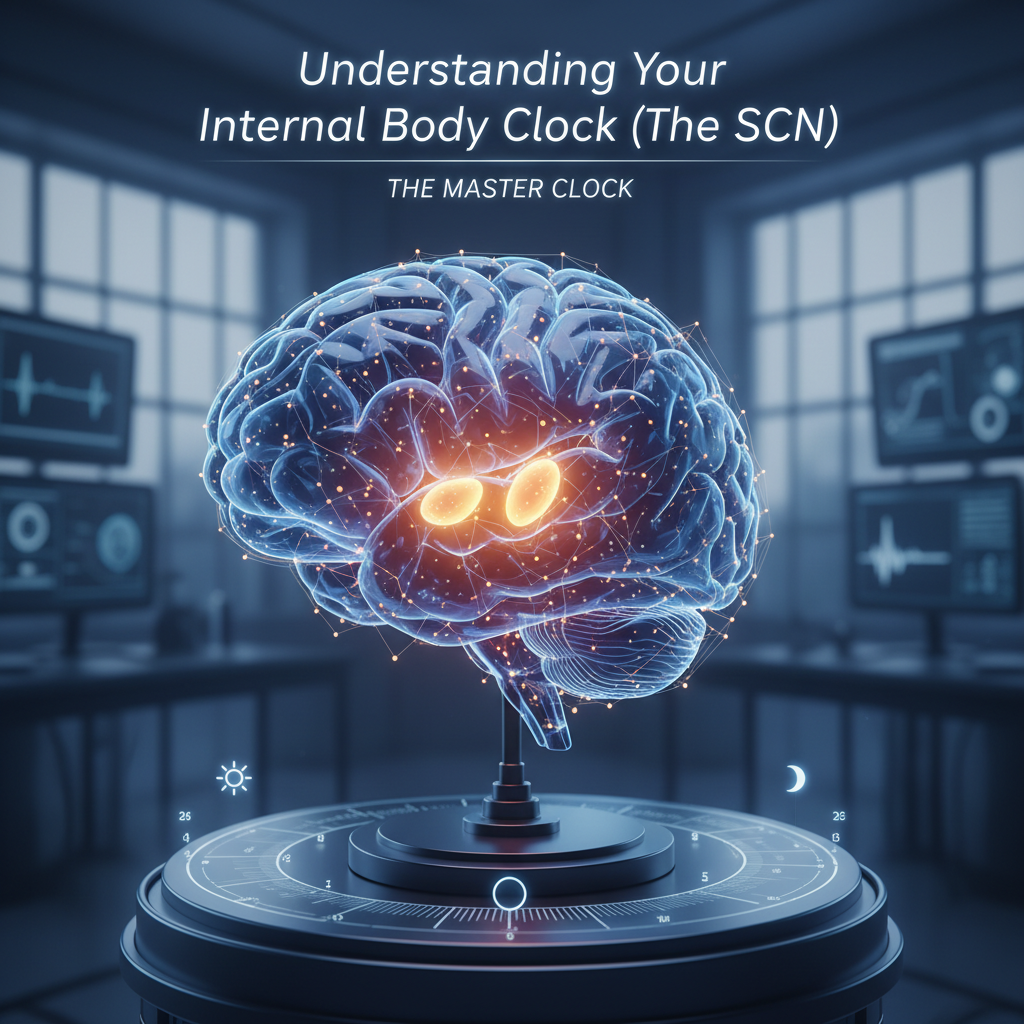
Our bodies have a remarkable inner mechanism known as the circadian rhythm, commonly termed the internal body clock. This system orchestrates the timing of various physiological processes, including sleep, metabolism, and hormone production. At the heart of this complex system lies the suprachiasmatic nucleus (SCN), a cluster of neurons located in the hypothalamus of the brain.
In this article, we will explore the fascinating functions of the SCN, how it regulates our biological rhythms, and the impact it has on our health and wellbeing.
The SCN: The Master Clock of the Body
The SCN coordinates with various body systems by sending signals to other parts of the brain and endocrine system. One of its primary roles is controlling the release of melatonin, a hormone produced by the pineal gland that promotes sleep. When night falls, and darkness surrounds us, the SCN triggers melatonin production, preparing our bodies for rest. Conversely, exposure to light during the day helps suppress melatonin levels, ensuring we stay alert and awake.
Circadian Rhythms and Their Importance to Health
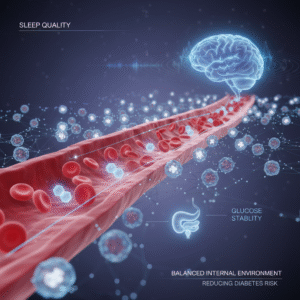
Disruptions in circadian rhythms have been linked to various health issues, including sleep disorders, obesity, diabetes, and even cardiovascular diseases. For instance, night shift workers often experience difficulties in maintaining a regular sleep schedule, leading to chronic fatigue and other related health issues. By acknowledging the importance of our internal body clock and making conscious efforts to respect its natural rhythms, we can improve our health outcomes significantly.
Looking for the best option related to Understanding Internal Body Clock?
The Sleep Bridge recommends checking the latest deals and reviews before purchasing to ensure better sleep quality.
The Role of Light in Regulating the SCN
For those looking to maintain a healthy sleep-wake cycle, it’s essential to harness natural light exposure. Spending time outdoors during the day, particularly in the morning, can help regulate the SCN and reinforce its signals. Conversely, managing artificial light exposure in the evening—such as dimming lights and reducing screen time—can effectively signal to our bodies that it’s time to wind down. Understanding how light influences our internal body clock can empower us to make lifestyle choices that align with our natural rhythms.
The Impact of Modern Life on Our Internal Body Clock
Additionally, our food intake can affect the SCN. Irregular eating patterns, frequent snacking at night, and high consumption of caffeinated beverages can further scramble our internal body clock. To support a healthy SCN, it is vital to establish consistent eating habits, limit caffeine, and find a balance that promotes a positive relationship with food and wellness.
Ways to Support Your Internal Body Clock
1. **Prioritize Sleep**: Aim for a consistent sleep schedule by going to bed and waking up at the same time every day, even on weekends. Create a restful sleep environment — dim the lights, minimize noise, and ensure comfortable bedding.
2. **Embrace Natural Light**: Seek out sunlight during the day. Regular exposure, especially in the morning, helps reinforce your internal body clock. When indoors, consider using bright lights during the day.
3. **Limit Screen Time**: Reduce exposure to screens at least an hour before bed to minimize the effects of blue light on melatonin production. Consider using blue light filters or glasses if screen use is unavoidable.
4. **Establish Routines**: Include consistent meal times in your daily schedule. This aligns your SCN with energy intake and optimizes metabolic processes.
5. **Be Mindful of Caffeine and Alcohol**: Limit consumption of caffeinated beverages in the afternoon and evening. Additionally, moderate your alcohol intake, as it disrupts sleep and can hinder melatonin production.
By acknowledging and respecting your internal body clock, you will experience improvements in your overall health, mood, and daily performance.
Conclusion
Understanding your internal body clock and the role of the suprachiasmatic nucleus (SCN) can have a profound impact on your health and well-being. As we navigate our modern lives, fostering a healthy relationship with our internal rhythms becomes increasingly essential. Simple lifestyle adjustments, such as enhancing light exposure, adhering to sleep schedules, and maintaining consistent eating habits, can help us align with our body’s natural rhythms.
Embrace the importance of your internal clock, and let it guide you to a healthier and more balanced life.
Frequently Asked Questions
What are circadian rhythms?
+
Circadian rhythms are 24-hour cycles that regulate various bodily functions, including sleep, metabolism, and hormone release.
How does artificial light affect my internal body clock?
+
Artificial light, especially blue light, can disrupt melatonin production and confuse the SCN, making it harder to sleep.
What lifestyle changes can I make to align with my internal clock?
+
Establishing a consistent sleep schedule, maximizing natural light exposure, and monitoring screen time can help align with your internal clock.