Introduction
In our fast-paced world, sleep often takes a backseat to work, technology, and social commitments. However, a growing body of research suggests that power naps might just be the secret weapon we need for staying sharp and productive throughout the day. But do power naps actually work? The answer is nuanced, as it depends greatly on the duration and timing of the nap. When strategically implemented, power naps can boost mood, enhance cognitive function, and improve overall well-being.
The Science Behind Power Naps
Power naps are often defined as short, restorative episodes of sleep that last between 10 to 30 minutes. Neuroscience explains why napping is beneficial; our brains go through different stages of sleep, including light sleep, deep sleep, and REM (rapid eye movement) sleep. A power nap aims primarily to take advantage of light sleep, which helps to refresh the mind without dragging the body into deeper sleep stages, which can lead to grogginess.Research has shown that even just a brief nap can enhance alertness, improve mood, and bolster cognitive performance. A study from NASA found that a 10-minute nap could significantly boost performance and alertness in pilots and astronauts. Other studies suggest that naps of moderate duration can reduce the risk of heart disease and lower stress levels, making power napping a powerhouse strategy for overall health.
Optimal Power Nap Duration
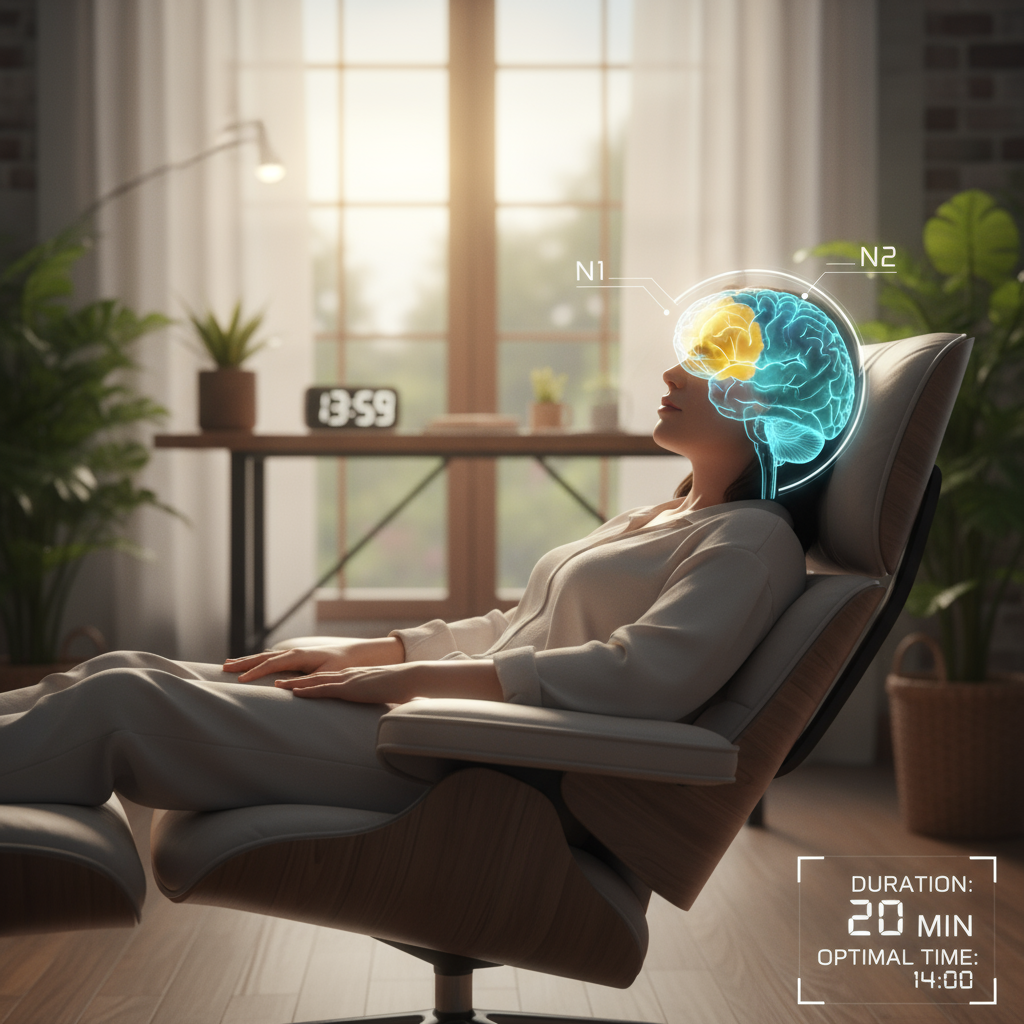
Timing is everything when it comes to power naps. According to sleep experts, the most effective duration for a quick energy boost ranges from 10 to 20 minutes. This duration allows you to enter light sleep without achieving a state of deep sleep, which can happen if you nap for more than 30 minutes. If your power nap stretches too long, you may wake up feeling disoriented and lethargic—a phenomenon known as sleep inertia.For those keen on the science, a 20-minute nap is often considered the “sweet spot,” where you reap the rewards of increased alertness without stepping too deep into the sleep cycle. Additionally, maintaining this optimal power nap duration sets a consistent pattern that helps your body recognize nap-time as a time for brief rest while minimizing disruptions to nighttime sleep.
Looking for the best option related to Optimal Power Nap Duration?
The Sleep Bridge recommends checking the latest deals and reviews before purchasing to ensure better sleep quality.
The Ideal Time to Nap
While many may think napping is simply a matter of when you feel tired, the timing of your power nap plays a crucial role in its effectiveness. Experts generally recommend early afternoon, specifically between 1:00 PM and 3:00 PM, for optimal napping. This period aligns with the natural dip in our circadian rhythms, where energy levels tend to wane, making it a prime time for a restorative pause.Taking a nap too late in the day can disrupt nighttime sleep and create a cycle of sleeplessness. It’s also important to consider your own daily schedule and how your body responds to different stimuli. If you’re someone who struggles to fall asleep at night, consider adjusting your napping schedule to avoid any potential negatives on your sleep cycle.
Creating the Perfect Nap Environment
Just like a good night’s sleep, the environment where you take your power nap can significantly influence its quality. Choose a location that is quiet, comfortable, and dark. If possible, use an eye mask or blackout curtains to eliminate light, and consider using earplugs or a white noise machine to drown out potentially distracting background sounds.Comfort is key; find a position that supports your head, neck, and back adequately. Whether you choose to lie down on a bed or recline in a chair, ensuring a comfortable resting posture can lead to a more refreshing nap. Additionally, consider incorporating techniques such as relaxation exercises or deep breathing to help put your mind at ease before you dive into your brief slumber.
Napping Myths and Misconceptions
With the rise in popularity of power naps, several myths and misconceptions have emerged. One common myth is that napping is only for those who didn’t get enough sleep at night. This couldn’t be further from the truth; power naps can benefit anyone regardless of their nighttime sleep quality. They serve as an effective way to reset and recharge your mental faculties.Another misconception is that naps are a sign of laziness or poor time management. In reality, napping can be a sign of being proactive about your well-being and performance. Incorporating brief rest periods into your day can enhance productivity and sharpness, allowing you to tackle tasks with increased focus and creativity.
Frequently Asked Questions
Can power naps improve my productivity?
+
Yes, power naps can enhance productivity by boosting alertness and cognitive function.
Is there an ideal location for a power nap?
+
A quiet, dark, and comfortable space is best for a restorative power nap.
Are there any risks associated with power napping?
+
If taken too long or too late in the day, power naps can disrupt nighttime sleep.